Foraging Adventures: Discover Wild Harvested Treasures

Foraging is more than just a hobby; it’s an adventure that connects you with nature and offers a unique way to explore the outdoors. Imagine wandering through a lush forest or a sun-drenched meadow, discovering edible plants, mushrooms, and herbs that you can incorporate into your meals. This blog post will guide you through the exciting world of foraging, sharing tips, techniques, and the treasures you can find along the way.
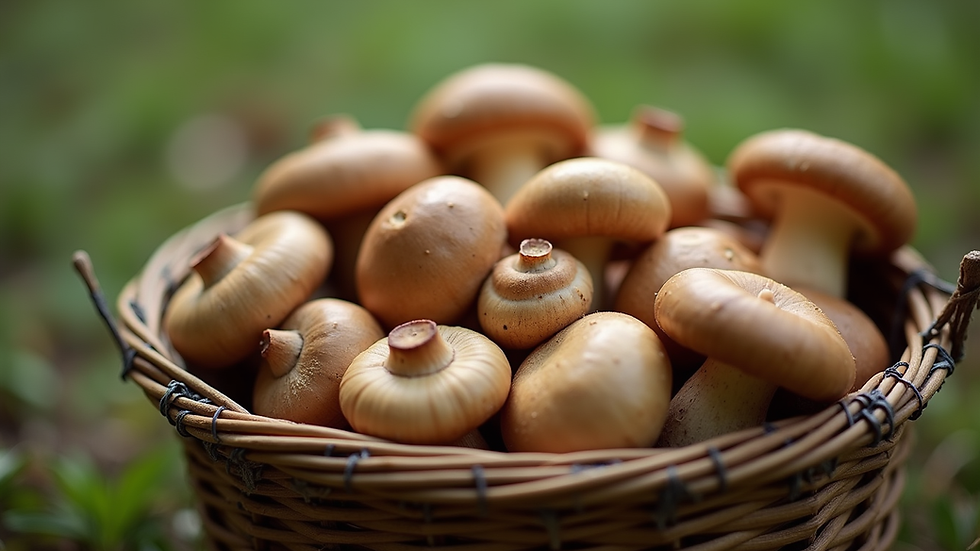
The Allure of Foraging
Foraging has gained popularity in recent years, and for good reason. It allows you to:
Connect with Nature: Spending time outdoors can improve your mental health and well-being.
Learn About Local Flora: Understanding the plants in your area enhances your appreciation for biodiversity.
Enhance Your Culinary Skills: Wild ingredients can elevate your cooking, adding unique flavors and textures.
Why Forage?
Foraging is not just about finding food; it’s about the experience. You’ll learn to identify plants, understand their habitats, and discover how they can be used in your kitchen. Plus, there’s something incredibly satisfying about gathering your own food.
Getting Started with Foraging
Essential Gear
Before you head out, make sure you have the right gear. Here’s a basic list to get you started:
Basket or Bag: A sturdy basket or bag will help you carry your finds without damaging them.
Field Guide: Invest in a good field guide specific to your region. This will help you identify edible plants and mushrooms.
Knife or Scissors: Useful for cutting herbs or mushrooms cleanly.
Gloves: Protect your hands from thorns or irritants.
Water Bottle: Stay hydrated during your foraging adventure.
Safety First
Foraging can be fun, but safety is paramount. Here are some tips to ensure a safe experience:
Know What You’re Picking: Always be 100% sure of your identification before consuming any wild food. Some plants can be toxic.
Avoid Polluted Areas: Stay away from areas that may have been contaminated by chemicals or pollutants.
Respect Nature: Only take what you need and leave enough for wildlife and future foragers.
Common Edible Plants to Forage
Dandelion
Dandelions are often seen as weeds, but they are entirely edible. Every part of the plant can be used:
Leaves: Great in salads or sautéed.
Flowers: Can be made into wine or used in salads.
Roots: Roasted and ground to make a coffee substitute.
Wild Garlic
Wild garlic, or ramsons, is a delightful find in woodlands. Its leaves have a strong garlic flavor and can be used in:
Pesto: Blend with nuts and cheese for a wild twist on a classic.
Soups: Add to soups for a fragrant garlic flavor.
Nettles
Nettles are packed with nutrients and can be foraged in spring. Use gloves when handling them, as they can sting. Once cooked, they lose their sting and can be used in:
Soups: A great addition to vegetable soups.
Pasta: Blend into pasta dough for a vibrant green color.
Foraging for Mushrooms
Mushroom foraging is a thrilling aspect of wild harvesting, but it requires knowledge and caution. Here are some popular edible mushrooms:
Chanterelles
Chanterelles are prized for their delicate flavor. They can be found in forests during late summer and fall. Look for:
Color: Bright yellow to orange.
Shape: Wavy, trumpet-like caps.
Morels
Morels are another sought-after mushroom, known for their unique appearance. They typically grow in spring. Key identification features include:
Honeycomb Appearance: Distinctive mesh-like cap.
Hollow Inside: Cut them in half to confirm they are hollow.
Safety Tips for Mushroom Foraging
Learn from Experts: Join local foraging groups or workshops to learn from experienced foragers.
Use a Guidebook: Always cross-reference with a reliable field guide.
Avoid Look-Alikes: Many edible mushrooms have toxic counterparts. Familiarize yourself with these differences.
Cooking with Foraged Ingredients
Once you’ve gathered your wild treasures, it’s time to get creative in the kitchen. Here are some ideas for incorporating foraged ingredients into your meals:
Salads
Mix foraged greens like dandelion leaves and wild garlic into your salads for a fresh, vibrant dish. Add nuts and a simple vinaigrette for a delightful crunch.
Soups and Stews
Use wild mushrooms and nettles to create hearty soups. Sauté your foraged ingredients with onions and garlic, then add broth and simmer for a comforting meal.
Pesto
Make a unique pesto using wild garlic or ramps. Blend with nuts, olive oil, and cheese for a flavorful sauce that can be used on pasta or as a spread.
Preserving Your Foraged Finds
If you’ve gathered more than you can consume right away, consider preserving your foraged treasures. Here are some methods:
Drying
Dry herbs and mushrooms to extend their shelf life. Use a dehydrator or hang them in a cool, dry place until fully dried.
Freezing
Blanch and freeze greens like nettles or wild garlic for later use. This method retains their flavor and nutrients.
Pickling
Pickle wild garlic or other foraged vegetables for a tangy addition to your meals. Use vinegar, water, and spices to create a simple brine.
Conclusion
Foraging is a rewarding way to connect with nature and discover the culinary delights that the wild has to offer. Whether you’re gathering herbs, mushrooms, or greens, the experience enriches your understanding of the environment and enhances your cooking. So grab your basket, head outdoors, and embark on your own foraging adventure. Remember, the treasures of the wild are waiting to be discovered!


Comments